Visit our ONLINE STORE
Shop now!
Type in your search and hit Enter on desktop or hit Go on mobile device
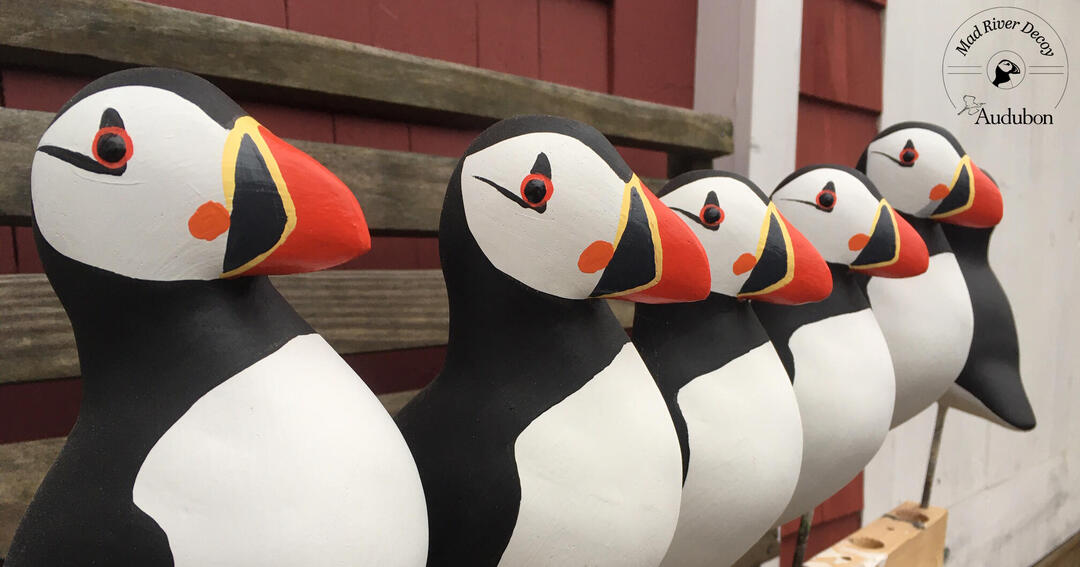
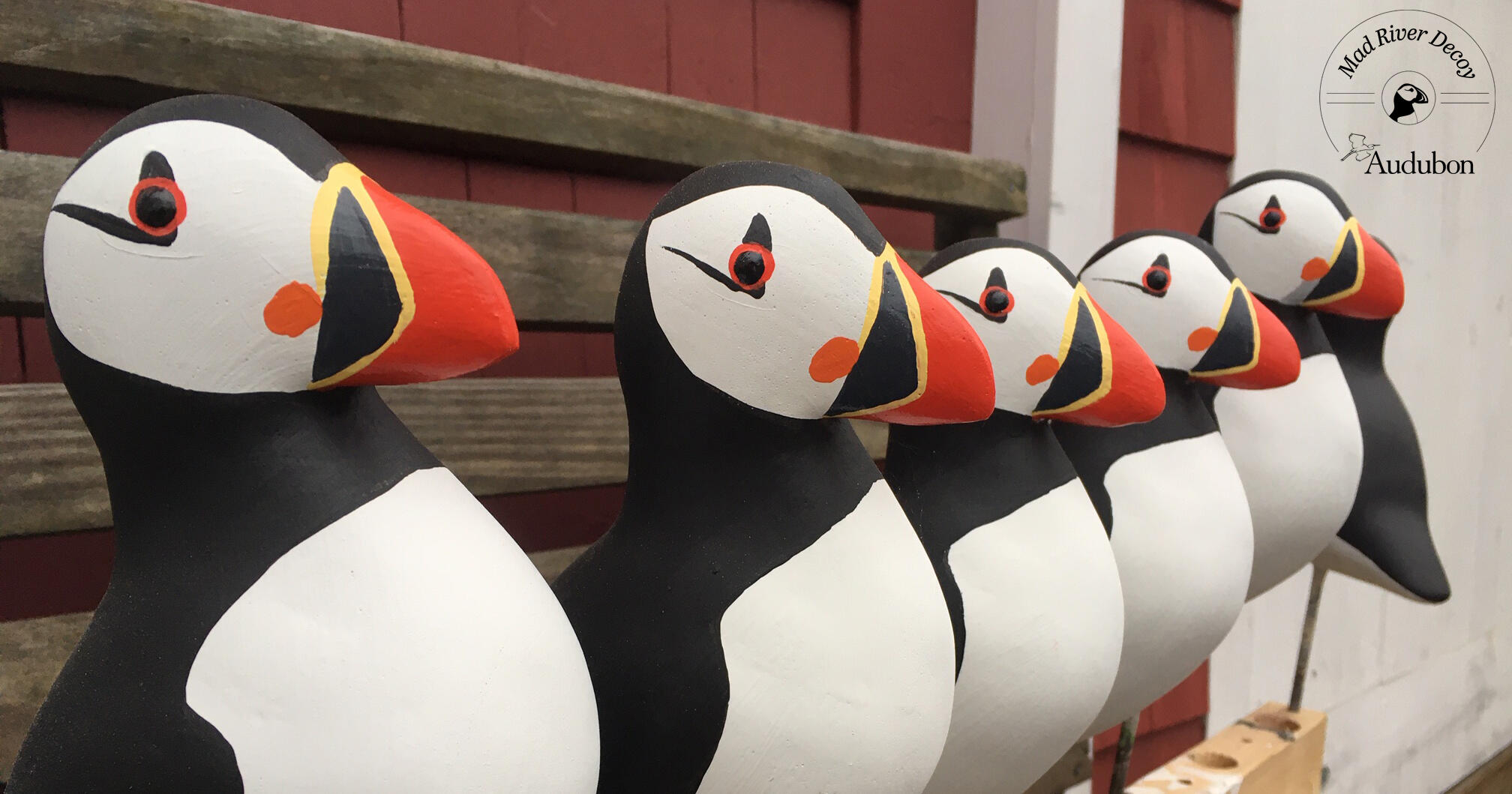
Mad River Decoys by Audubon
Photo: Susan Schubel
National Audubon Society’s Seabird Institute (formerly Seabird Restoration Program) is proud to continue the tradition of manufacturing bird conservation decoys thanks to the generous donation of the Mad River Decoy business by its founders, Jim and Nancy Henry. For 25 years, Mad River Decoy of Waitsfield, VT served as the leading provider of decoys for conservation. These decoys are noted for their durability in harsh environments, light weight for transport and rugged construction for long life. The decoys became the standard for social attraction projects worldwide.
Developed by National Audubon Society’s Dr. Stephen Kress, social attraction is a method to attract colonial seabirds to safe, often historic nesting sites using social cues. Colonial seabirds recognize the presence of other birds as evidence for suitable habitat and are drawn in by the appearance of a thriving colony. Managers can create this illusion using decoys and audio systems. Depending on the species, the method also may use artificial burrows, mirrors, and decoy eggs and chicks.
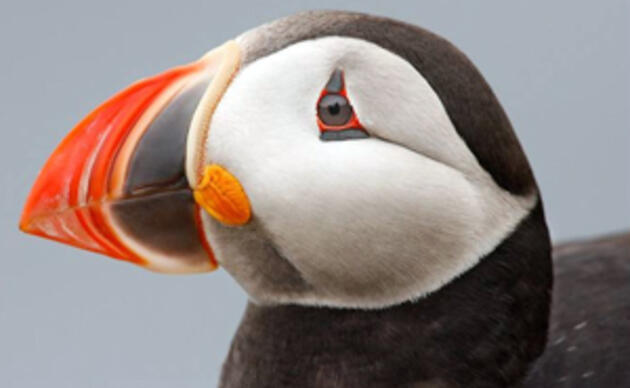
The transfer of Mad River Decoy to Audubon's Seabird Institute is especially appropriate, as it is the very program that grew out of Dr. Kress's pioneering work in the early 1970’s to successfully restore colonies of Atlantic Puffins, Common, Arctic, and Roseate Terns to historic nesting islands on the Maine coast.
To find out more, please visit our Decoys by Audubon page and read more about Social Attraction.
National Audubon Society’s Seabird Institute is proud to continue the tradition of manufacturing bird conservation decoys thanks to the generous donation of the Mad River Decoy business by its founders, Jim and Nancy Henry.
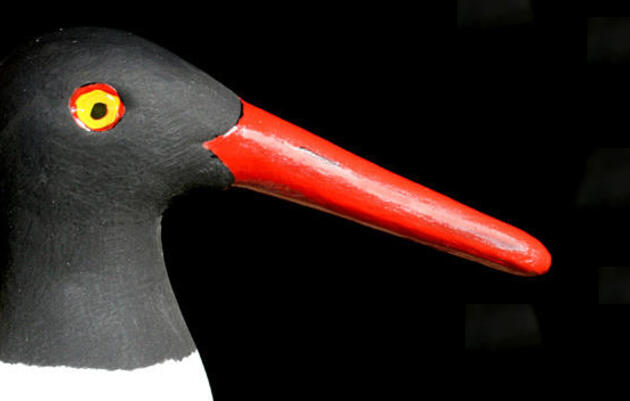
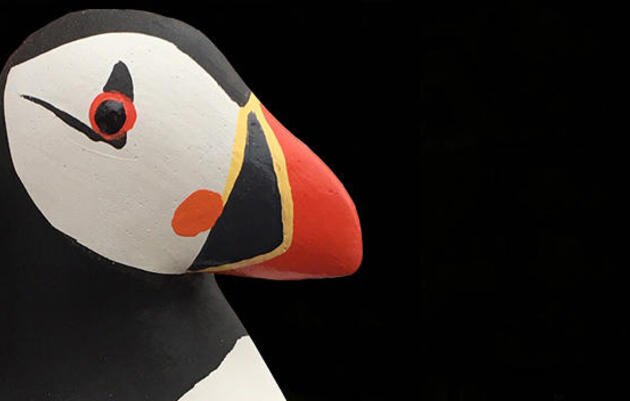
Find information on which bird species we provide decoys for, how to order, and more.
Adopt now and receive: A Certificate of Adoption, A biography of "your" puffin, and The book How We Brought Puffins Back To Egg Rock by Stephen Kress.

The Project Puffin Visitor Center (PPVC) is located at 311 Main Street in downtown Rockland, Maine. The center opened its doors officially on July 1, 2006.